


Nouveau : -5% dès 30€ | -10% dès 50€
Livraison offerte en point relais sans minimum d’achat !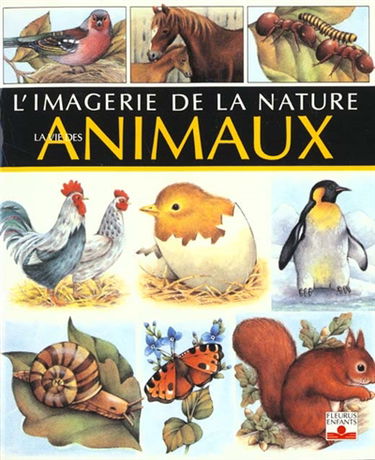
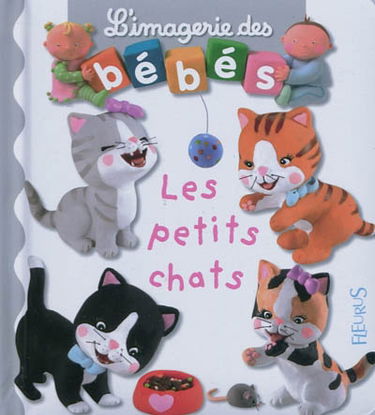
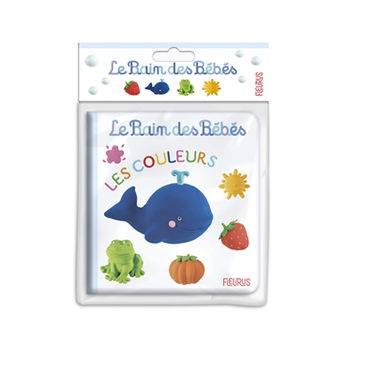
La vie des animaux
Emilie Beaumont
Ce produit a été victime de son succès !
Nous n'avons plus d'exemplaire disponible pour le moment mais chaque jour nous remettons plus de 8000 produits en stock.
Vous souhaitez être averti lors de son retour en stock ?
Le Wenderoman et l'impasse postmoderne
The Wenderoman is a genre specifcally rooted in the period preceding, including and immediately following the fall of the Berlin Wall in the late 1980s and early 1990s. It however looks beyond this historical frame to question its own form and legitimacy. Bearing witness to when it was written, it is also a discourse on poetics. Neither historical nor autobiographical, neither psychological nor sociological, the Wenderoman links back to baroque allegorical traditions. Tending to use grotesque surrealism, inter- textuality, references, quotations and collage, refusing to allow any single interpretation or explanation, it might seem to belong within postmodernism. While it is informed by post-structuralist philosophy, deconstructionism and Jean-François Lyotard's writings on the postmodern condition, its use of irony and taste for a grotesque brand of surreal- ism produce a distancing effect. Postmodern in its form and its rejection of positivism, the Wenderoman in fact denounces the limitations of postmodernism.
Der Wenderoman ist weder ein historischer noch ein autobiographischer Roman. Die Wende und der Post-Strukturalismus liefern zwar den historischen und philosophischen Rahmen, aber jenseits der historischen Verankerung ist er eine literarische Gattung besonderer Art, die über sich selbst und ihre Legitimität refektiert : Seine Tendenz zur Ironie und zur Groteske, die Intertextualität, das Spiel mit den versteckten Zitaten und mit den Referenzen, die Collage, die Skepsis dem utopischen und teleologischen Denken gegenüber machen aus ihm einen postmodernen Roman. In Wirklichkeit wird die Postmodernität selbst als Sackgasse von ihm in Frage gestellt.
Bénédicte TERRISSE *
Wolfgang Hilbig et le Wenderoman
Instead of launching into a search for "Wenderomane" in Wolfgang Hilbig’s work, the present article questions the relevance of the notion of Wenderoman as a category of literary history by confronting it with Hilbig’s texts. After describing how reluctant the author reacted to the injunction of writing a Wenderoman, thus bringing to light the unspoken criterions that defne the category, we will read some of Hilbig’s texts as variations on the Wenderoman, i.e. as original and existential ways of treating the 1989-90 upheaval : as a return of the repressed, as a bursting of the dam of the affects.
Anstatt sich auf die Suche nach dem Wenderoman in Wolfgang Hilbigs Werk zu begeben, hinterfragt vorliegender Beitrag die Relevanz des Wenderomans als Kategorie der Literaturgeschichte, indem er sie an Hilbigs Texten misst. Nachdem wir die Abwehr des Autors gegenüber der Aufforderung, einen Wenderoman zu schreiben, dargestellt und somit die unausgesprochenen Defnitionskriterien dieser Kategorie zum Vorschein gebracht haben, untersuchen wir Texte von Hilbig, die als Abwandlungen des Wenderomans und eigensinnige, existentielle Auseinander- setzungen mit dem Umbruch 1989/1990 gedeutet werden können : In Form von Wiederkehr des Verdrängten und Dammbruch der Affekte.
Heribert TOMMEK *
Reinhard Jirgls Abschied von den Feinden Roman einer machtpolitischen Zeichenwende
The aim of this study is to identify the formal characteristics and the main topics of Jirgl’s novel "Abschied von den Feinden". The aesthetic basis of the authors writing can be conceived as an effort for a literary archaeology and genealogy of governmental, religious, ethical, scientifc and technological power according to Nietzsche’s and Foucault’s philosophy. In this respect the study shows that the fall of the governmental power system of the GDR as well as the German reunifcation are only apparent reasons for the plot. The real impact of the novel is much wider. Like the theatre of Heiner Müller the novel aims at a posthuman criticism of civilisation which pretends the end of the heroic and tragic individual.
L’article analyse le contenu et la forme du roman de R. Jirgl. Ce dernier s’appuie sur Nietzsche et Foucault pour proposer une archéologie (généalogie) de la langue du pouvoir d’État, religieux, moral, scientifque et technologique. Sur cette base on montre que la réunifcation des deux Allemagnes et l’« adieu » aux instances de pouvoir de la RDA constituent l’arrière-plan du roman et de sa diégèse, mais aussi que la véritable cible du récit se situe au-delà du « tournant ». Tout comme H. Müller, R. Jirgl se fxe pour objectif une critique post-humaniste de la civilisati- on où s’affrme la fn du confit, tel qu’alimenté à la philosophie de l’histoire, entre individualités tragiques et héroïques.
Michael BRAUN *
Das Ende, das ihr kennt Uwe Tellkamps postmemorialer Wenderoman Der Turm
Artist Thomas Demand constructs a model (e.g. of a Stasi-offce), takes a photo of it, and then destroys the model. Fictionalizing or simulating a historical scene by delivering it to us a copy is a popular strategy of the so-called “Wenderoman”, a controversial phenomenon in contemporary German literature. Uwe Tellka
| 16 |
| 9782215030263 |
| 1999 |
| 101 |
| Broché |
Le Wenderoman et l'impasse postmoderne
The Wenderoman is a genre specifcally rooted in the period preceding, including and immediately following the fall of the Berlin Wall in the late 1980s and early 1990s. It however looks beyond this historical frame to question its own form and legitimacy. Bearing witness to when it was written, it is also a discourse on poetics. Neither historical nor autobiographical, neither psychological nor sociological, the Wenderoman links back to baroque allegorical traditions. Tending to use grotesque surrealism, inter- textuality, references, quotations and collage, refusing to allow any single interpretation or explanation, it might seem to belong within postmodernism. While it is informed by post-structuralist philosophy, deconstructionism and Jean-François Lyotard's writings on the postmodern condition, its use of irony and taste for a grotesque brand of surreal- ism produce a distancing effect. Postmodern in its form and its rejection of positivism, the Wenderoman in fact denounces the limitations of postmodernism.
Der Wenderoman ist weder ein historischer noch ein autobiographischer Roman. Die Wende und der Post-Strukturalismus liefern zwar den historischen und philosophischen Rahmen, aber jenseits der historischen Verankerung ist er eine literarische Gattung besonderer Art, die über sich selbst und ihre Legitimität refektiert : Seine Tendenz zur Ironie und zur Groteske, die Intertextualität, das Spiel mit den versteckten Zitaten und mit den Referenzen, die Collage, die Skepsis dem utopischen und teleologischen Denken gegenüber machen aus ihm einen postmodernen Roman. In Wirklichkeit wird die Postmodernität selbst als Sackgasse von ihm in Frage gestellt.
Bénédicte TERRISSE *
Wolfgang Hilbig et le Wenderoman
Instead of launching into a search for "Wenderomane" in Wolfgang Hilbig’s work, the present article questions the relevance of the notion of Wenderoman as a category of literary history by confronting it with Hilbig’s texts. After describing how reluctant the author reacted to the injunction of writing a Wenderoman, thus bringing to light the unspoken criterions that defne the category, we will read some of Hilbig’s texts as variations on the Wenderoman, i.e. as original and existential ways of treating the 1989-90 upheaval : as a return of the repressed, as a bursting of the dam of the affects.
Anstatt sich auf die Suche nach dem Wenderoman in Wolfgang Hilbigs Werk zu begeben, hinterfragt vorliegender Beitrag die Relevanz des Wenderomans als Kategorie der Literaturgeschichte, indem er sie an Hilbigs Texten misst. Nachdem wir die Abwehr des Autors gegenüber der Aufforderung, einen Wenderoman zu schreiben, dargestellt und somit die unausgesprochenen Defnitionskriterien dieser Kategorie zum Vorschein gebracht haben, untersuchen wir Texte von Hilbig, die als Abwandlungen des Wenderomans und eigensinnige, existentielle Auseinander- setzungen mit dem Umbruch 1989/1990 gedeutet werden können : In Form von Wiederkehr des Verdrängten und Dammbruch der Affekte.
Heribert TOMMEK *
Reinhard Jirgls Abschied von den Feinden Roman einer machtpolitischen Zeichenwende
The aim of this study is to identify the formal characteristics and the main topics of Jirgl’s novel "Abschied von den Feinden". The aesthetic basis of the authors writing can be conceived as an effort for a literary archaeology and genealogy of governmental, religious, ethical, scientifc and technological power according to Nietzsche’s and Foucault’s philosophy. In this respect the study shows that the fall of the governmental power system of the GDR as well as the German reunifcation are only apparent reasons for the plot. The real impact of the novel is much wider. Like the theatre of Heiner Müller the novel aims at a posthuman criticism of civilisation which pretends the end of the heroic and tragic individual.
L’article analyse le contenu et la forme du roman de R. Jirgl. Ce dernier s’appuie sur Nietzsche et Foucault pour proposer une archéologie (généalogie) de la langue du pouvoir d’État, religieux, moral, scientifque et technologique. Sur cette base on montre que la réunifcation des deux Allemagnes et l’« adieu » aux instances de pouvoir de la RDA constituent l’arrière-plan du roman et de sa diégèse, mais aussi que la véritable cible du récit se situe au-delà du « tournant ». Tout comme H. Müller, R. Jirgl se fxe pour objectif une critique post-humaniste de la civilisati- on où s’affrme la fn du confit, tel qu’alimenté à la philosophie de l’histoire, entre individualités tragiques et héroïques.
Michael BRAUN *
Das Ende, das ihr kennt Uwe Tellkamps postmemorialer Wenderoman Der Turm
Artist Thomas Demand constructs a model (e.g. of a Stasi-offce), takes a photo of it, and then destroys the model. Fictionalizing or simulating a historical scene by delivering it to us a copy is a popular strategy of the so-called “Wenderoman”, a controversial phenomenon in contemporary German literature. Uwe Tellka
| Edition | Fleurus |
| Dimensions (L x H x E, cm) | 18 X 22 X 15 |
| Auteur | Emilie Beaumont |
| Nombre de pages | 16 |
| ISBN | 9782215030263 |
| Date de publication | 1999 |
| Poids (g) | 101 |
| Reliure | Broché |
Ce produit a été victime de son succès !
Nous n'avons plus d'exemplaire disponible pour le moment mais chaque jour nous remettons plus de 8000 produits en stock.
Vous souhaitez être averti lors de son retour en stock ?





Livraison rapide et incluse Livraison rapide et incluse
Vous recevrez votre commande dans les 3 à 5 jours.
+3 millions de clients +3 millions de clients
Nous ont déjà fait confiance depuis 2008.
Votre satisfaction est notre priorité
Sécurité Sécurité
Soyez rassurés : les transactions sont 100% sécurisées.
Un geste solidaire Un geste solidaire
Collecte de vos livres à domicile
Ces livres pourraient aussi vous plaire:

Donner ou revendre mes livres
Nous reprenons gratuitement vos livres à Paris, Lyon, Lille, Nantes, Bordeaux, Madrid, Strasbourg, Toulouse et leurs environs.



Donnez une seconde vie à vos livres !
DON ou VENTE de vos livres :
nous avons forcément une solution qui vous conviendra !

Gratuit

Simple et rapide

Engagé et français
Livres du même auteur:








Avis des lecteurs Recyclivre